
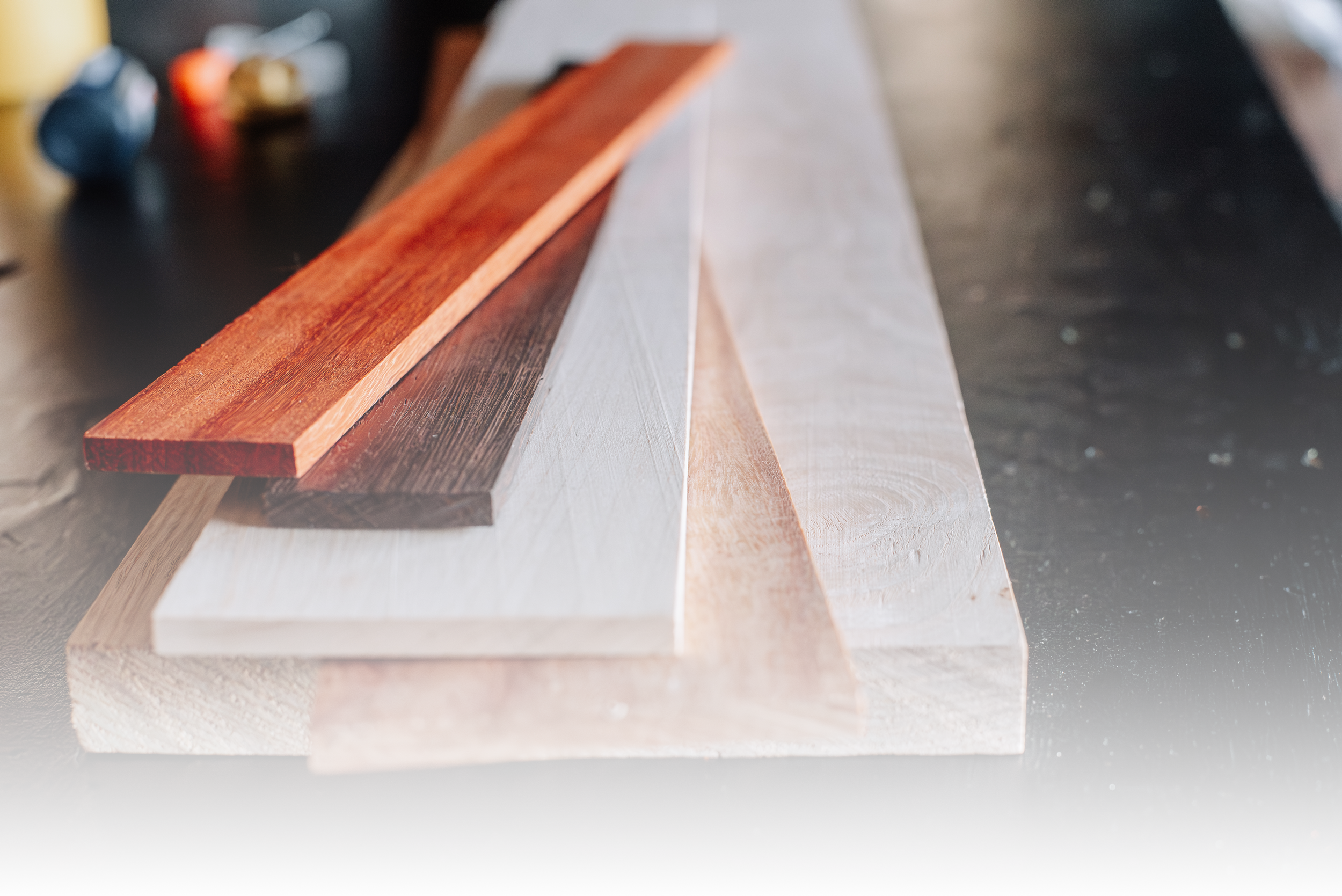
At SoulAtelier, wood is not selected casually.
Each species is studied for its structure, stability, and visual character before it ever enters the studio.
This glossary offers a curated overview of the hardwoods we use — their origins, physical properties, grain behavior, and why they are chosen for specific applications.
For those who appreciate understanding material beyond surface appearance, technical references are provided with each entry.
Because beauty deserves context.
Hardwood varieties
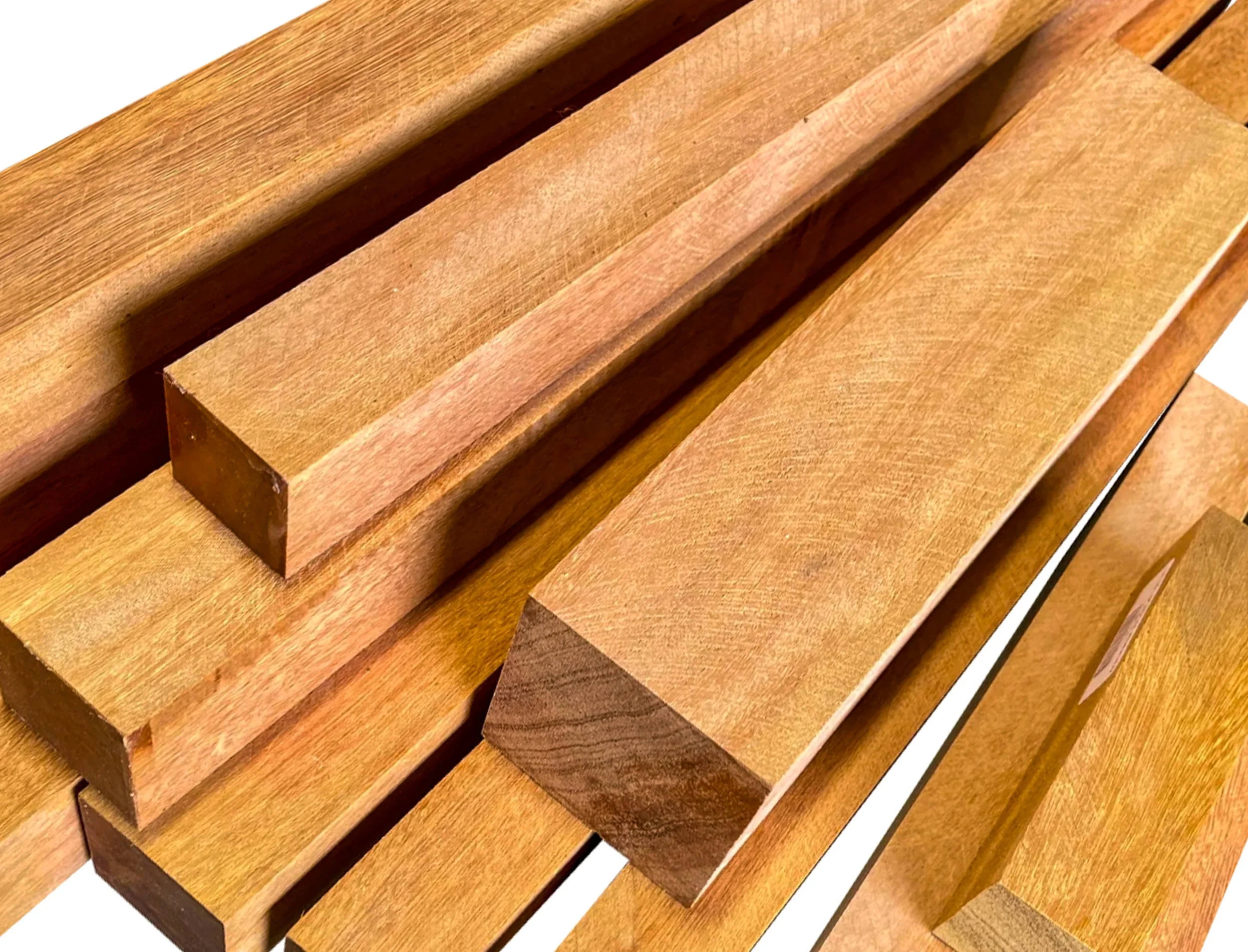
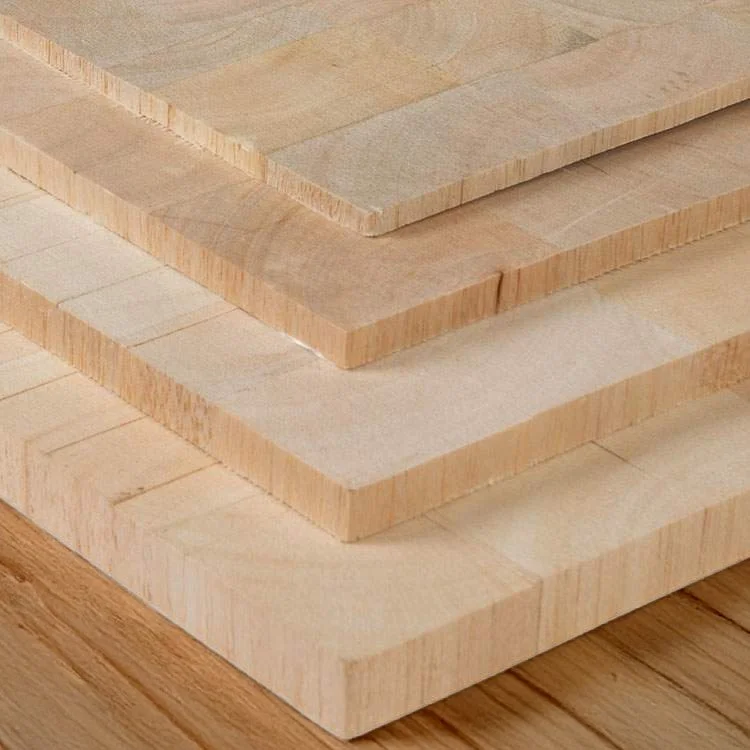
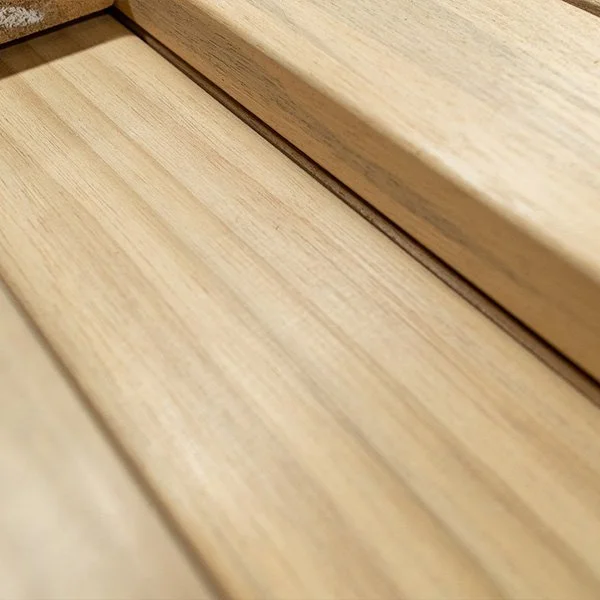
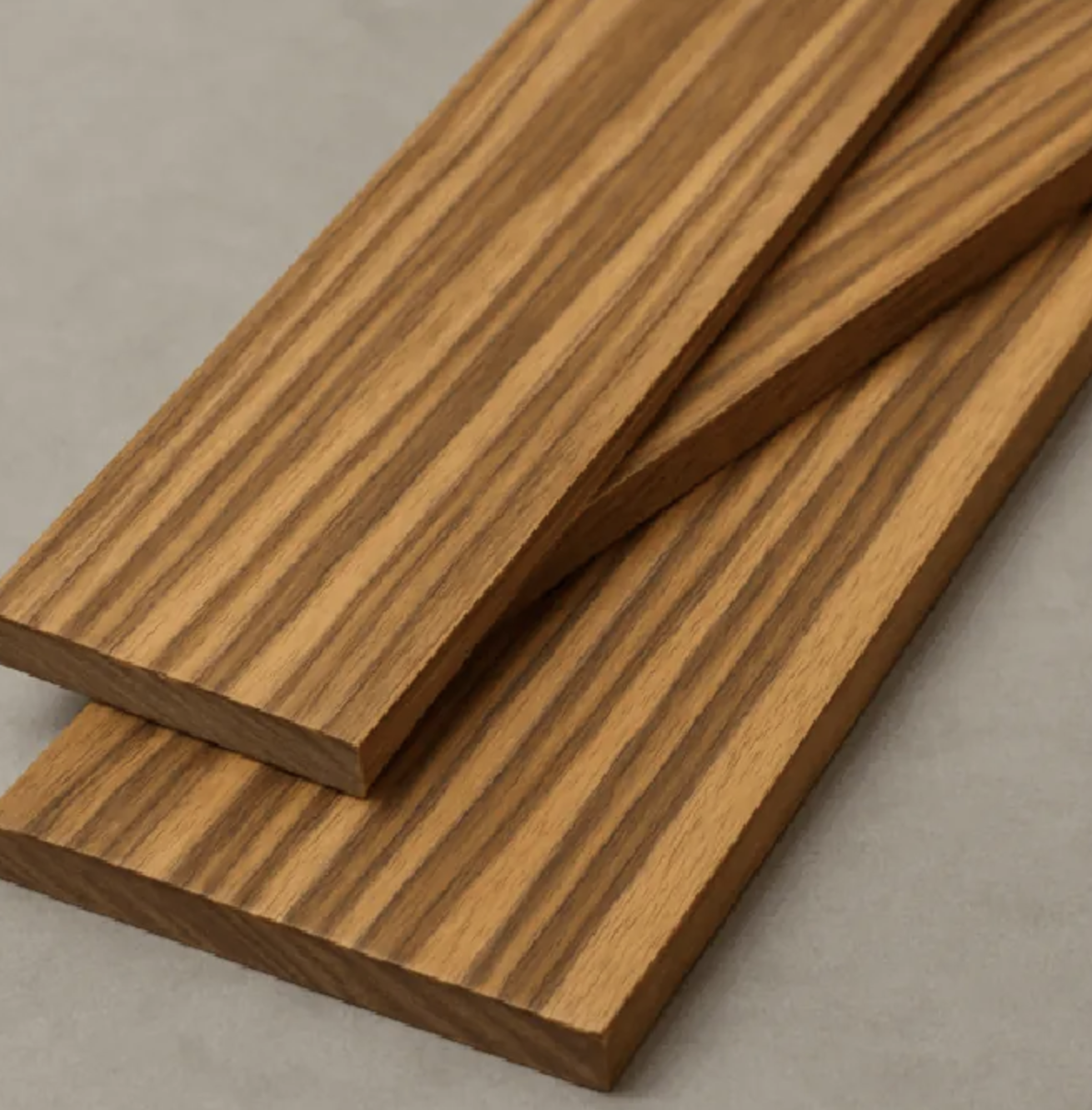
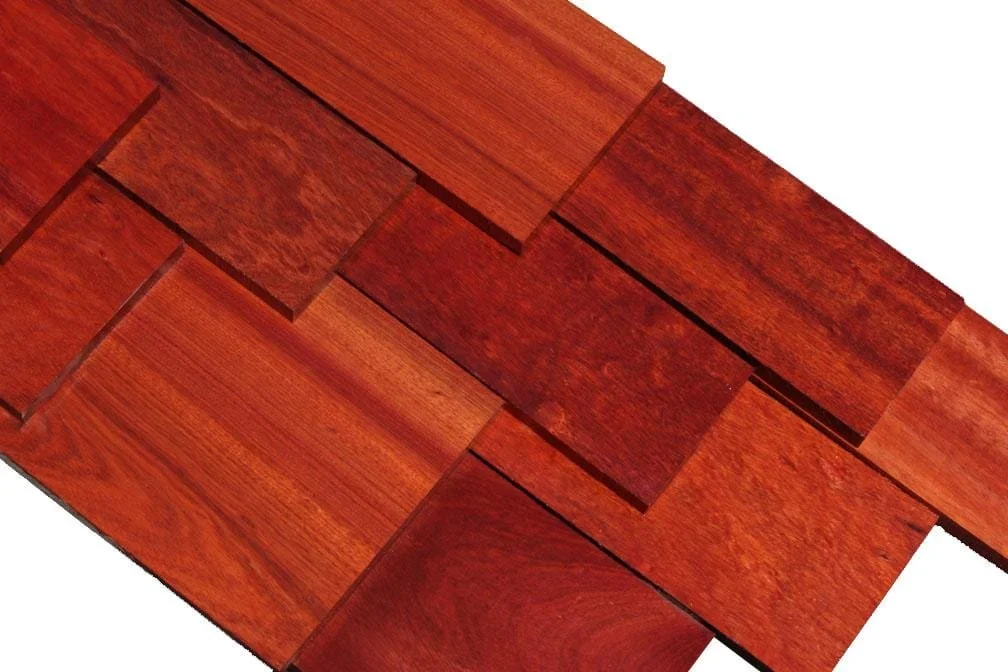
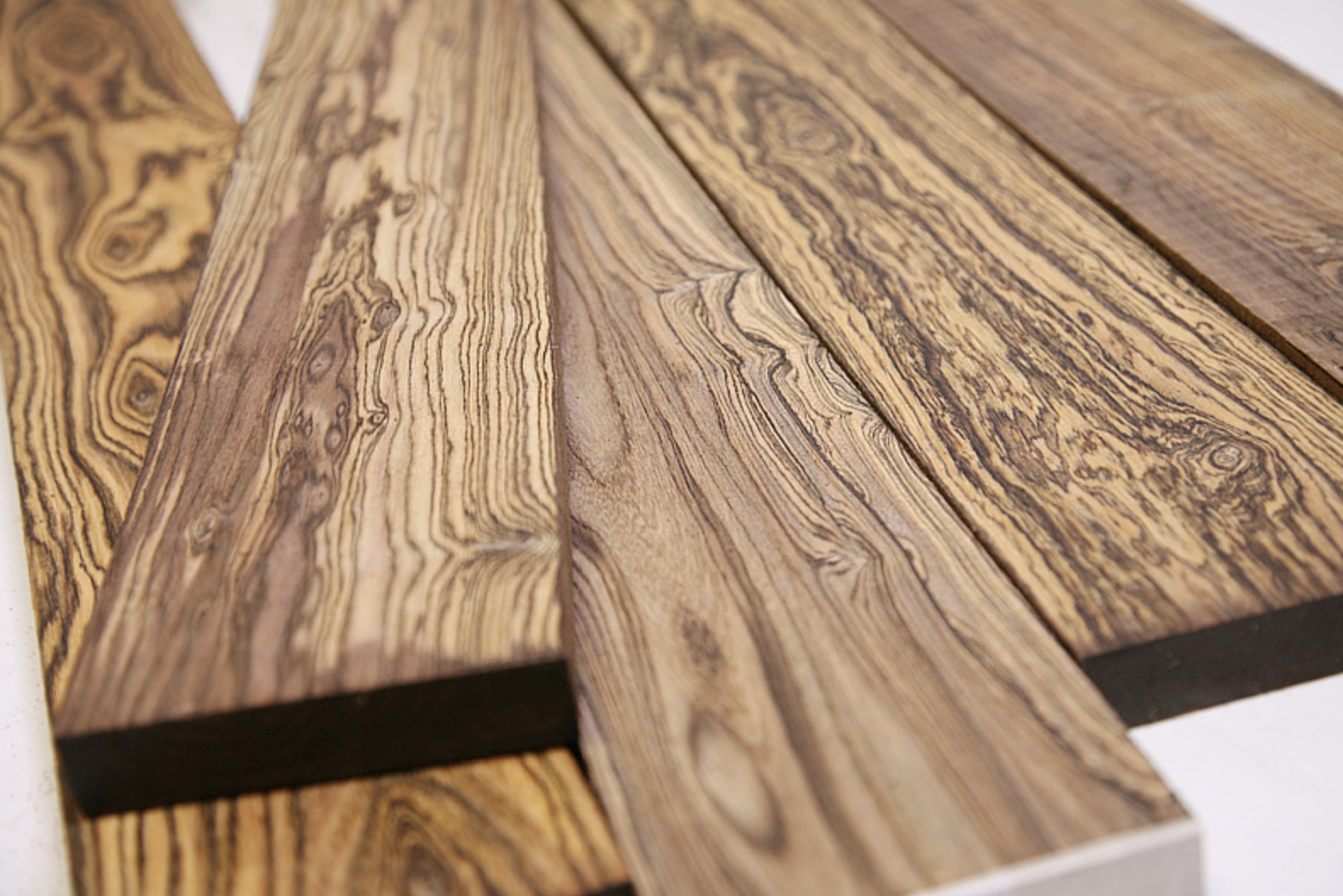
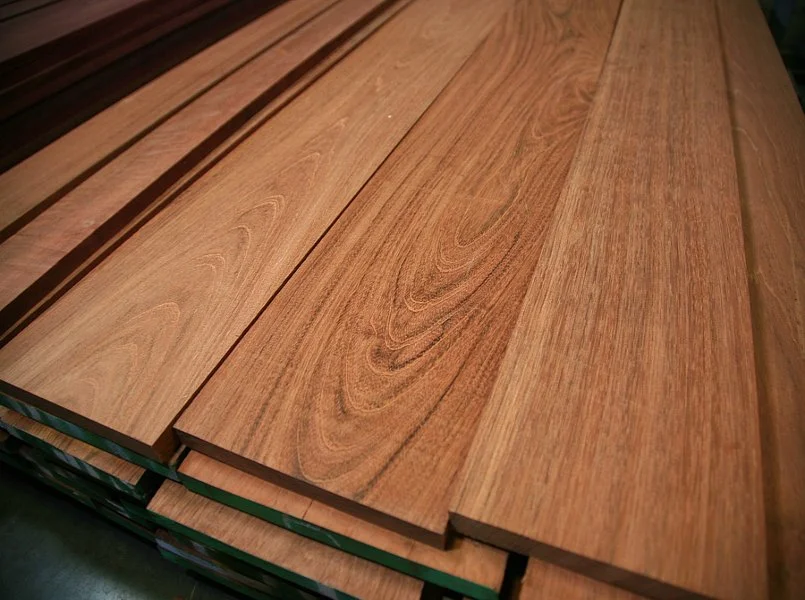
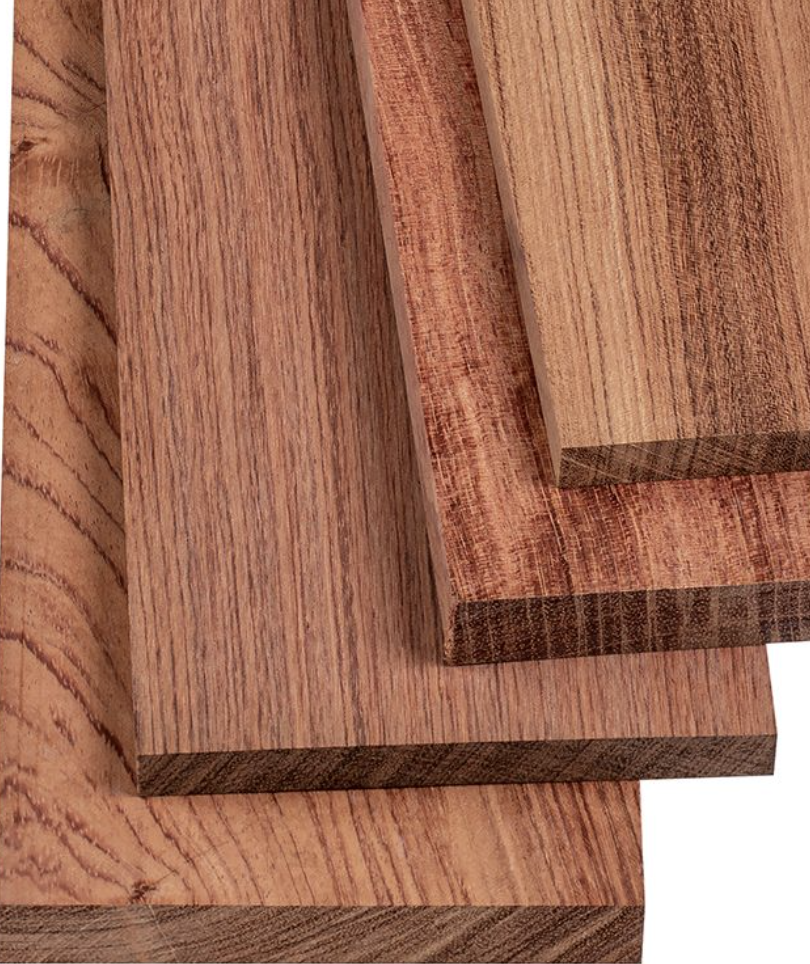
🌿 Amazakoue
Guibourtia ehie
(Also marketed as Ovangkol in some regions)
Origin: West Africa (primarily Ghana, Ivory Coast, Cameroon)
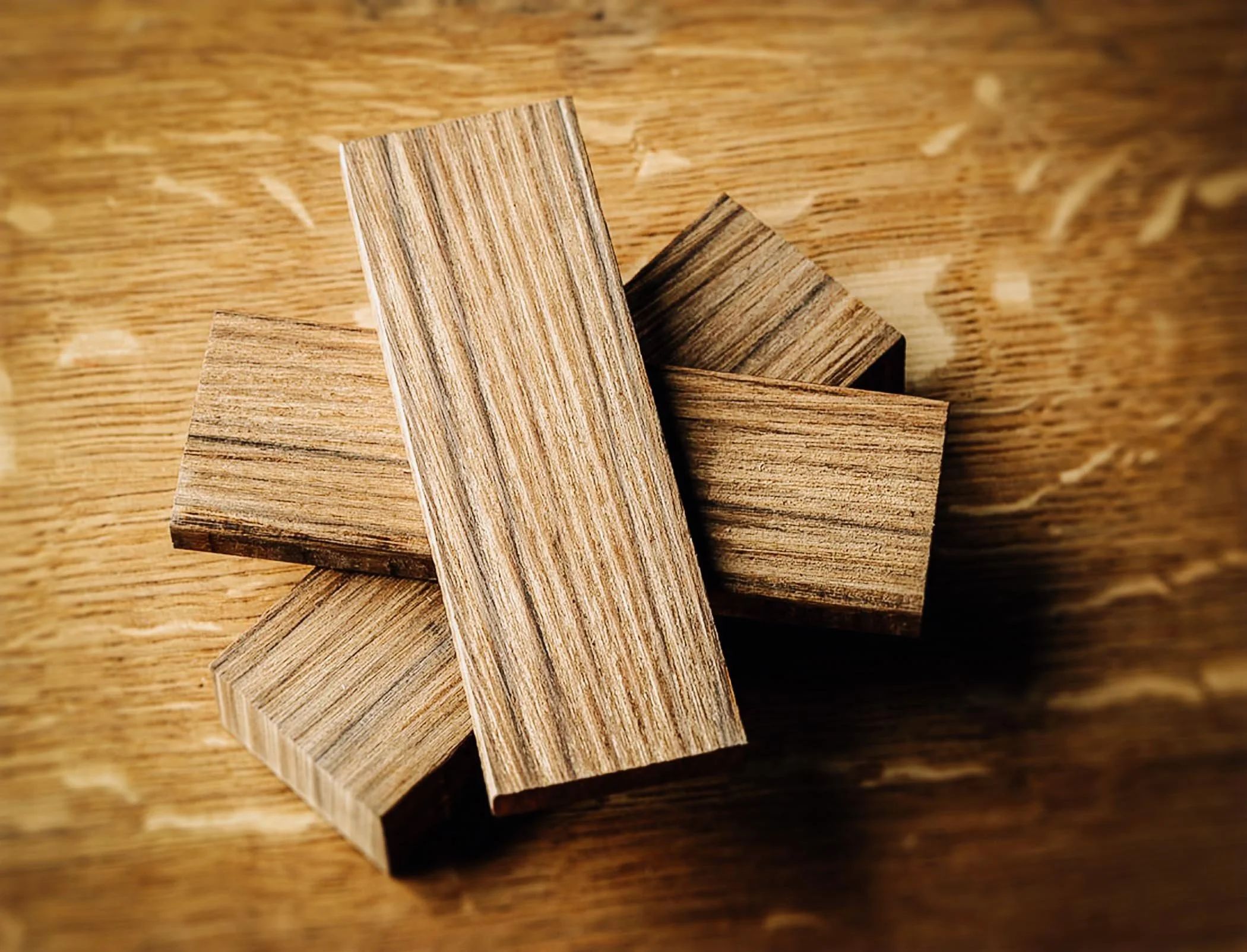
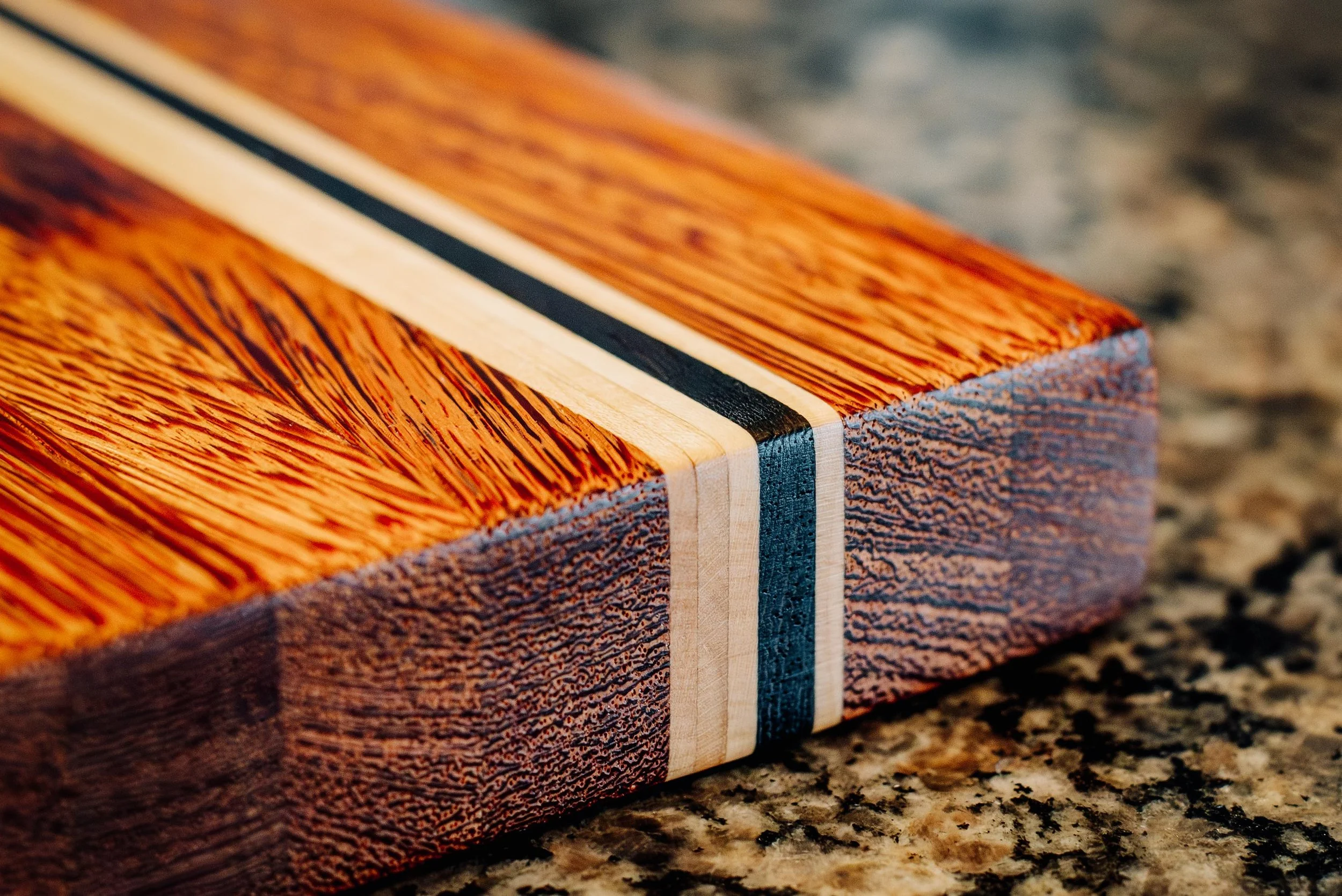
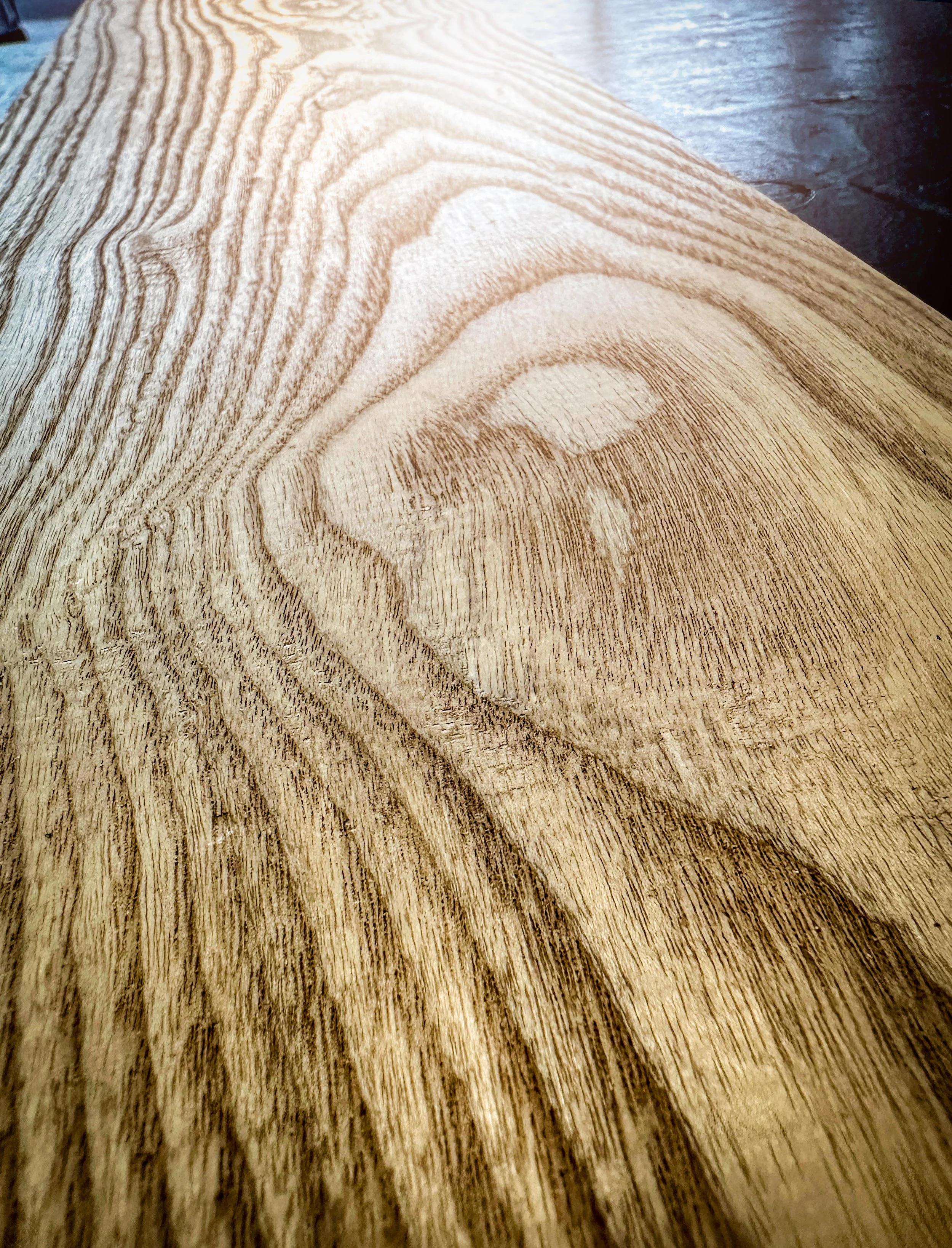
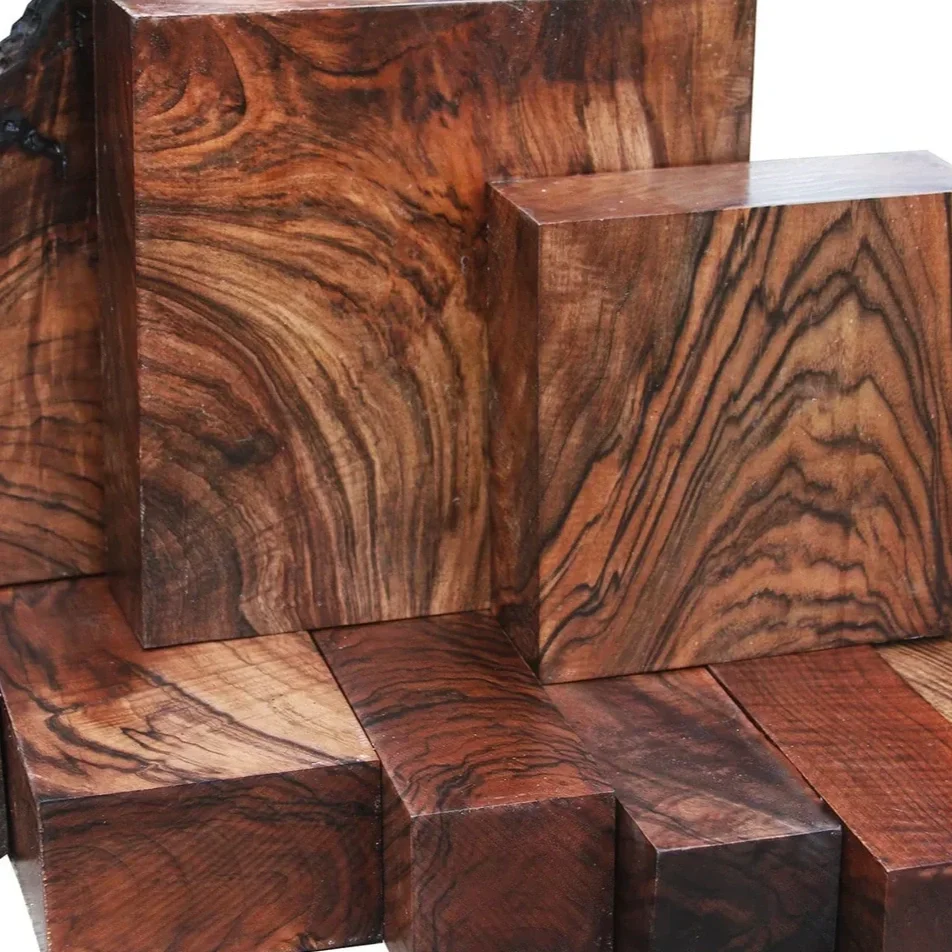
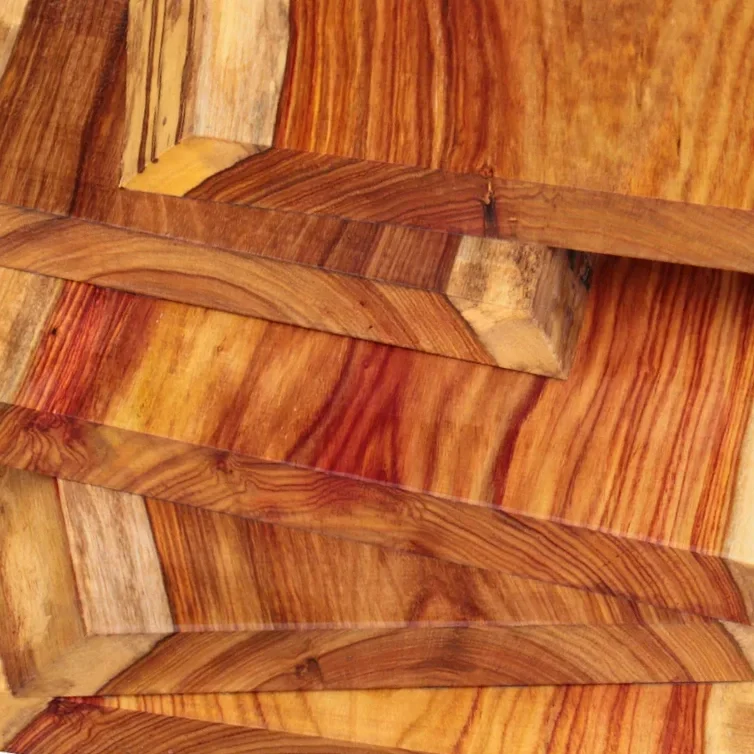
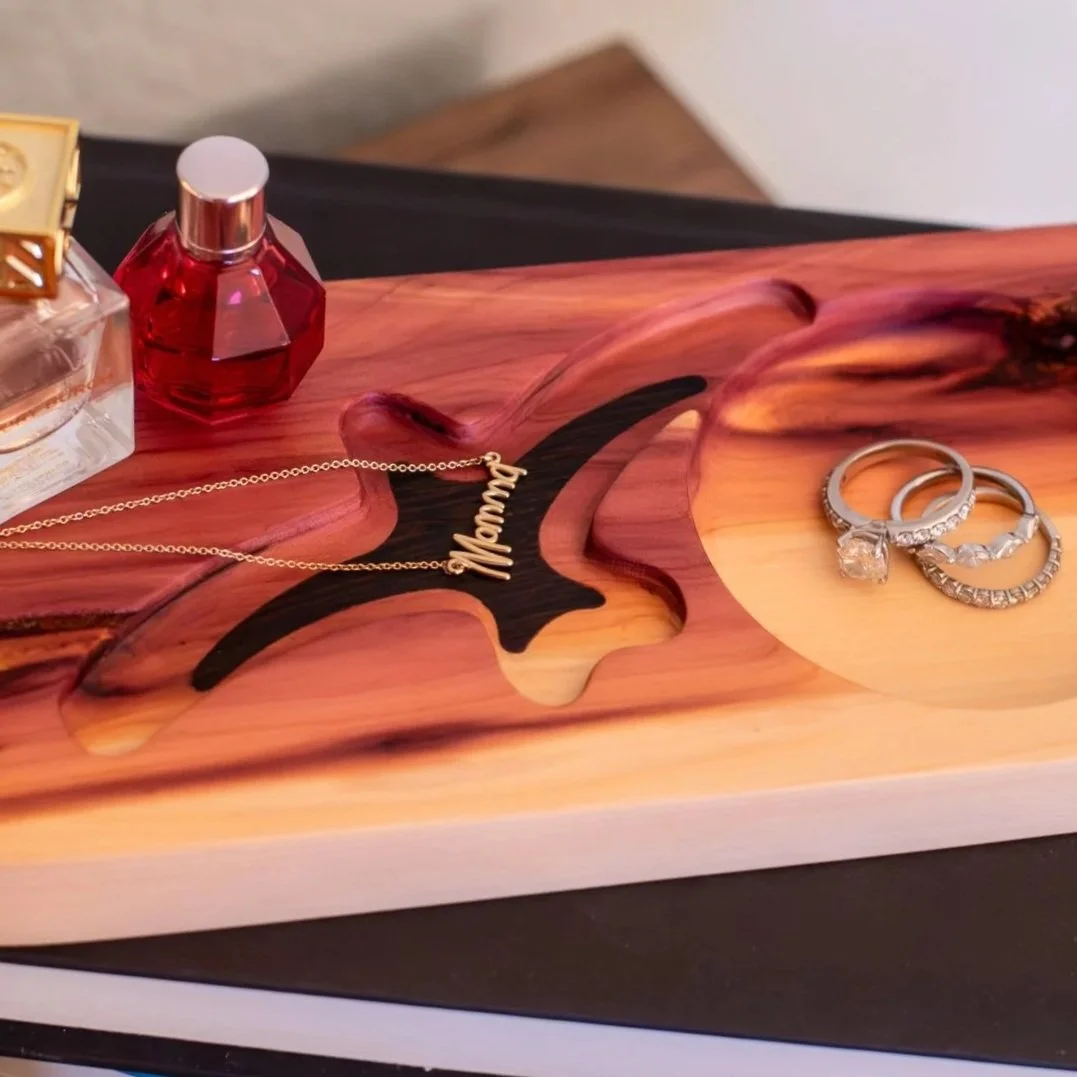
Amazakoue is a dense West African hardwood known for its striking grain contrast, rich coloration, and reliable structural performance. It is frequently used in fine furniture, architectural millwork, and musical instruments — particularly for guitar backs and sides — due to its tonal and structural stability.
🌿 Ash
Fraxinus spp.
Origin: Primarily North America & Europe (depending on species)
Ash is a strong, resilient hardwood recognized for its pronounced grain structure and excellent workability. It has long been used in tool handles, furniture, and architectural applications due to its combination of strength and elasticity.
🌿 Araracanga
Aspidosperma megalocarpon (also known as Volador)
Origin: South America
Araracanga is a dense tropical hardwood often grouped among durable structural species. It is valued for its strength and relatively fine texture.The heartwood of araracanga ranges in color from golden yellow to reddish brown and tends to darken to a deep red or brown with age and exposure.
🌿 Angelique
Dicorynia guianensis
Origin: Northern South America (primarily Guyana, Suriname, French Guiana)
Angelique is a dense tropical hardwood known for strength, durability, and structural reliability. It is not considered decorative lumber in the traditional sense — it is valued for performance first.
🌿 balsa
Ochroma pyramidale
Origin: Central & South America
Balsa is one of the lightest commercial hardwoods in the world. Though technically classified as a hardwood botanically, it behaves more like a softwood structurally. It is famous for its exceptional strength-to-weight ratio and a wide range of specialty applications, contrasting sharply with more dense hardwoods.
🌿 basswood
Tilia americana
Origin: North America
Creamy white in color and lighter in weight, making it one of the most suitable wood species for hand carving. Common uses of basswood include carvings, lumber, musical instruments (electric guitar bodies), veneer, plywood, and wood pulp and fiber products.
🌿 beli
Julbernardia pellegriniana
Origin: west Africa (Cameroon, Gabon)
This versatile exotic hardwood is generally easy to work with, using both hand and machine tools. Though more commonly exported as veneer, it’s a rare find in dimensional lumber - making it a unique and valuable choice for cabinetry, interior millwork, flooring, and fine woodworking projects.
🌿 bloodwood
Brosimium paraense
Origin: south america (brazil)
common names include cardinal wood, and satine. a dense fine-grained wood that takes a high polish and can be used for anything from musical instruments, fine furniture, flooring, dye wood, intarsia, inlay, and more.
🌿 bacote
Brosimium paraense
Origin: south america (mexico)
a highly sought-after Central American hardwood known for its dramatic, zebra-like contrast of golden-brown wood with dark brown to black streaks, often featuring striking "eyes" or wild grain patterns. Renowned for its high natural oil content and smooth, polished finish, this dense, durable wood is popular for specialized turnings, knife handles, musical instruments, and high-end cabinetry.
🌿 brazilian cherry
Hymenaea courbaril
Origin: south america (brazil)
also known as Jatoba, BRAZILIAN CHERRY can vary in color from a lighter orange-brown, to a darker reddish brown, which tends to become darker with agE. being exceptionally hard—among the very toughest of all timbers worldwide, this wood is used for a variety of applications including flooring, furniture, cabinetry, tool handles, ship building, railroad ties, turned objects, and other small specialty items.
🌿 bubinga
Guibourtia spp.
Origin: equatorial africa
this species, also known as African Rosewood, is a beautiful dense hardwood with a rose-colored background and darker purple striping. Common uses for bubinga include veneer, inlays, fine furniture, cabinetry, turnings, and other specialty items. Since Bubinga trees can grow so large (130–150 ft tall and up to 6’ wide!), natural-edge slabs of the wood have also been used in tabletops and other large scale projects.
🌿 canaletto
Juglans regia
Origin: Europe & Western Asia
Canaletto is the commercial name often used for European walnut. While closely related to American Black Walnut, it differs subtly in density, grain uniformity, and tonal range. It is widely used in high-end European furniture and architectural millwork where stability and refinement are prioritized over dramatic figure.
🌿 canarywood
Centrolobium spp.
Origin: Central & South America
Canarywood is a visually dynamic hardwood known for its vivid coloration and strong mechanical properties. While sometimes grouped with decorative tropical species, its structural performance rivals more commonly used North American hardwoods.
🌿 cedar (aromatic)
Juniperus virginiana
Origin: North America
red cedar is a soft wood with an aroma that is a natural repellent to moths and insects. Some common uses for aromatic red cedar include fence posts, closet and chest linings, carvings, outdoor furniture, pencils, bows, and small specialty items.